Joining a Mining Pool: The Ultimate Guide to Bitcoin Mining Success
Discover how joining a mining pool can enhance your Bitcoin mining experience and profitability. Learn the benefits, risks, and setup tips.
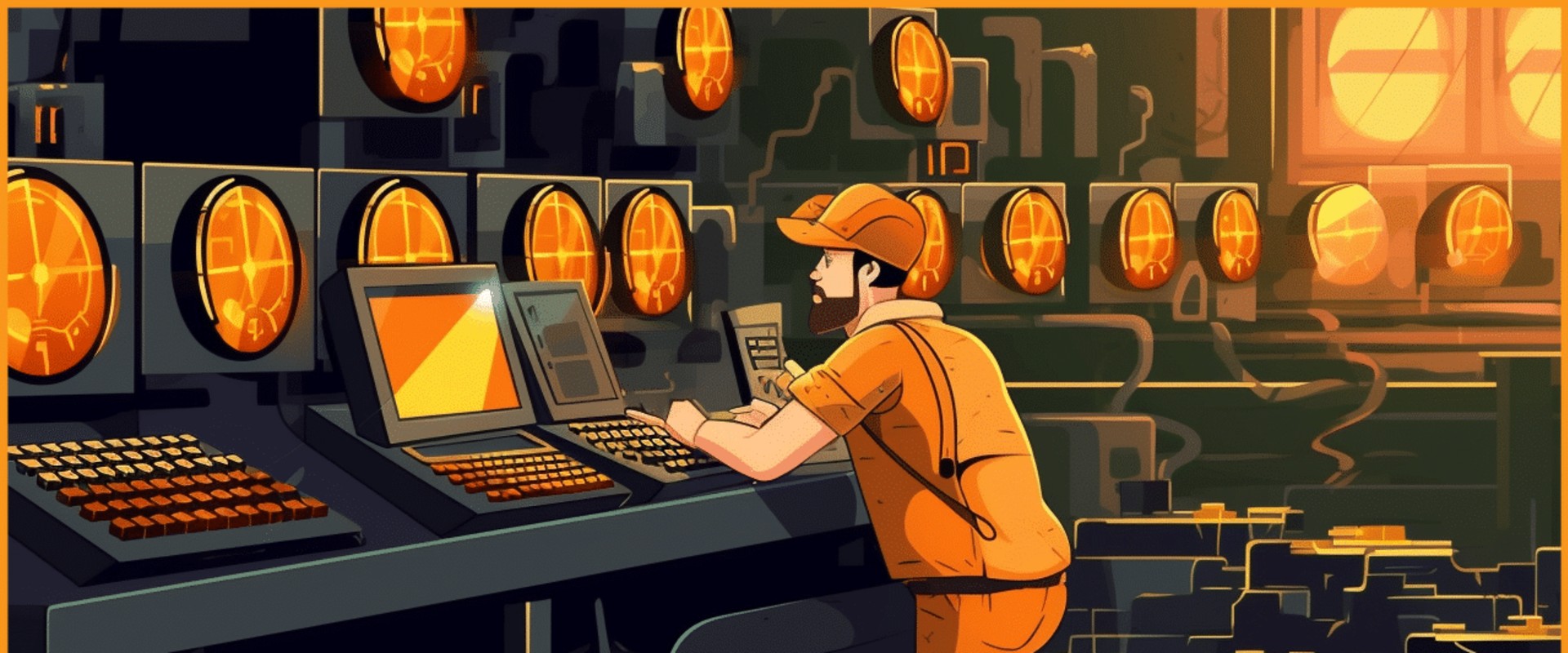
Bitcoin mining is a fundamental process that underpins the entire cryptocurrency ecosystem. At its core, Bitcoin mining is a fundamental process that underpins the entire cryptocurrency ecosystem. At its core, bitcoin mining involves the verification and addition of transactions to the public ledger known as the blockchain. This process is crucial for maintaining the integrity and security of the Bitcoin network, ensuring that all transactions are legitimate and preventing double-spending. Without miners, the decentralized nature of Bitcoin would be compromised, making it essential for anyone interested in understanding cryptocurrency to grasp how mining works. The mechanics of bitcoin mining are both fascinating and complex.
Miners utilize powerful computers to solve intricate mathematical problems, which are necessary for validating transactions. When a miner successfully solves a problem, they create a new block of transactions that is added to the blockchain. In return for their efforts, miners are rewarded with newly minted bitcoins and transaction fees from the transactions included in the block. This reward system not only incentivizes miners to participate but also regulates the issuance of new bitcoins, adhering to a predetermined schedule that ultimately caps the total supply at 21 million coins. As more individuals and organizations engage in mining, the difficulty of these mathematical problems increases, creating a competitive environment where only those with significant computational power can succeed.
This is where the concept of mining pools becomes relevant. By joining forces with other miners, individuals can combine their resources to enhance their chances of earning rewards. Understanding this collaborative approach is vital for anyone looking to maximize their potential in bitcoin mining. In summary, bitcoin mining is not just about generating new coins; it plays a pivotal role in securing the network and facilitating transactions. As we delve deeper into this guide, we will explore how joining a mining pool can significantly impact your mining experience and profitability. becomes relevant. By joining forces with other miners, individuals can combine their resources to enhance their chances of earning rewards. Understanding this collaborative approach is vital for anyone looking to maximize their potential in bitcoin mining. In summary, bitcoin mining is not just about generating new coins; it plays a pivotal role in securing the network and facilitating transactions. As we delve deeper into this guide, we will explore how joining a mining pool can significantly impact your mining experience and profitability.
The Role of Mining Pools in Bitcoin Mining
In the realm of Bitcoin mining, a mining pool serves as a collaborative platform where multiple miners unite their computational resources to enhance their chances of successfully mining new blocks.This collective effort is essential in a landscape where the difficulty of mining has escalated significantly, making it increasingly challenging for individual miners to compete effectively. At its core, a mining pool operates on the principle of shared resources. When miners join a pool, they contribute their hashing power—essentially the computational strength of their mining rigs. The pool then combines this power to tackle the complex mathematical problems required to validate transactions and add new blocks to the blockchain. Once a block is successfully mined, the rewards are distributed among all members based on their contribution to the pool's total hashing power.
Benefits of Mining Pools
-
Increased Probability of Rewards: By pooling resources, miners significantly enhance their chances of earning Bitcoin rewards.
Instead of waiting for long periods to mine a block solo, participating in a pool allows for more frequent payouts.
- Reduced Variability: Mining pools provide a more stable income stream compared to solo mining. Since rewards are distributed among members, individual miners experience less volatility in their earnings.
- Access to Advanced Technology: Many mining pools invest in high-quality hardware and software solutions that individual miners may not afford. This access can lead to improved efficiency and higher overall returns.
- Community Support: Joining a mining pool often means becoming part of a community of like-minded individuals. This can provide valuable support, knowledge sharing, and tips for optimizing mining operations.
By working together, miners help ensure that transactions are processed efficiently and that the blockchain remains secure against potential attacks. In summary, mining pools play a pivotal role in the Bitcoin mining ecosystem. They offer numerous advantages over solo mining, including increased chances of earning rewards, reduced income variability, access to superior technology, and community support. As Bitcoin continues to evolve, understanding the significance of mining pools will be crucial for anyone looking to engage in this dynamic field.
Benefits of Joining a Mining Pool
Joining a mining pool offers several significant advantages that can enhance your overall experience and profitability in the world of Bitcoin mining. Here are some of the key benefits:-
Increased Chances of Earning Rewards: One of the primary reasons miners choose to join a pool is the increased likelihood of earning Bitcoin rewards.
In a mining pool, multiple miners combine their computational power, which significantly boosts the chances of successfully solving complex mathematical problems. When the pool successfully mines a block, the rewards are distributed among all members based on their contributed hash power. This collaborative effort means that even if you have limited resources, you can still earn a share of the rewards.
-
Reduced Income Volatility: Mining Bitcoin solo can lead to unpredictable income due to the inherent randomness of block discovery. By joining a mining pool, you benefit from a more stable income stream.
Since rewards are shared among all members, you receive smaller but more consistent payouts, which can help you better manage your finances and plan for future investments in your mining operation.
- Access to Advanced Technology: Many mining pools invest in state-of-the-art hardware and software to optimize their operations. By joining a pool, you gain access to this advanced technology without having to make significant investments yourself. This can lead to improved efficiency and higher overall returns on your mining efforts.
-
Expertise and Support: Mining pools often consist of experienced miners who can provide valuable insights and support. Being part of a community allows you to learn from others, share strategies, and stay updated on industry trends.
This collective knowledge can be invaluable, especially for newcomers who may feel overwhelmed by the complexities of Bitcoin mining.
- Lower Barrier to Entry: For individuals just starting in Bitcoin mining, joining a pool can lower the barrier to entry. Instead of needing expensive equipment and extensive technical knowledge to mine profitably on your own, you can leverage the resources and expertise of the pool. This makes it easier for beginners to get involved in Bitcoin mining without significant upfront costs.
Choosing the Right Mining Pool
Choosing the right mining pool is a critical decision for anyone looking to engage in Bitcoin mining.With numerous options available, it’s essential to evaluate various factors to ensure you select a pool that aligns with your mining goals and maximizes your potential earnings.
1.Understand the Pool's Fee Structure
Most mining pools charge fees for their services, which can significantly impact your overall profitability. These fees typically range from 1% to 3% of your earnings. It’s crucial to understand how these fees are structured:
- Percentage Fees: A straightforward percentage taken from your rewards.
- Pay-Per-Share (PPS): You receive a fixed amount for each share you submit, regardless of whether the pool finds a block.
- Pay-Per-Last-N-Shares (PPLNS): Rewards are distributed based on the number of shares submitted over a specific period, which can lead to higher payouts but also more variability.
2.Evaluate the Pool's Reputation
The reputation of a mining pool is paramount. Research online forums, social media, and cryptocurrency communities to gather feedback from current and former members.
Look for:
- Trustworthiness: Ensure the pool has a history of timely payouts and transparent operations.
- Security Measures: Check if the pool employs robust security protocols to protect against hacks and fraud.
- User Support: A responsive support team can be invaluable, especially for beginners who may encounter issues.
3.Assess the Pool's Hash Rate
The hash rate of a mining pool indicates its total computational power. A higher hash rate generally means a greater chance of successfully mining blocks and receiving rewards. When evaluating hash rates, consider:
- Stability: Look for pools with consistent hash rates rather than those that fluctuate dramatically.
- Size: Larger pools may offer more frequent payouts but can also mean smaller individual rewards due to more participants sharing the earnings.
4.Consider Payout Frequency
Payout frequency refers to how often the pool distributes earnings to its members. Some pools offer daily payouts, while others may pay weekly or monthly.
If you prefer regular income, opt for a pool with more frequent payouts.
5.Best Mining Pools for Beginners
If you’re new to Bitcoin mining, consider starting with user-friendly pools that cater specifically to beginners. Some popular options include:
- Slush Pool: Known for its reliability and user-friendly interface.
- F2Pool: Offers a diverse range of cryptocurrencies and has a solid reputation.
- Antpool: One of the largest pools with extensive resources and support.
Setting Up Your Mining Rig for Pool Mining
Setting up your mining rig for pool mining is a crucial step that can significantly impact your profitability and efficiency. Below is a comprehensive guide to help you configure your hardware and software effectively.1.Choose the Right Hardware
Your mining rig's performance largely depends on the hardware you select.Here are the key components to consider:
- ASIC Miners: Application-Specific Integrated Circuits (ASICs) are the most efficient hardware for Bitcoin mining. They are designed specifically for this purpose and offer superior hashing power compared to traditional GPUs.
- Power Supply Unit (PSU): Ensure you have a reliable PSU that can handle the power requirements of your ASIC miner. Look for one with an efficiency rating of at least 80%.
- Cooling System: Mining generates a lot of heat, so invest in adequate cooling solutions, such as fans or liquid cooling systems, to maintain optimal operating temperatures.
- Motherboard and RAM: While not as critical as the other components, ensure your motherboard is compatible with your ASIC miner and has enough RAM to support your mining software.
2.Install Mining Software
Once your hardware is set up, the next step is to install mining software that is compatible with your chosen mining pool. Popular options include:- BFGMiner: A modular ASIC/FPGA miner written in C, BFGMiner is highly customizable and supports various mining pools.
- CGMiner: One of the oldest and most popular mining software options, CGMiner supports multiple platforms and offers extensive features for monitoring and controlling your mining rig.
- EasyMiner: A user-friendly interface that simplifies the setup process, making it ideal for beginners.
3.Configure Your Mining Pool Settings
After installing the software, you need to configure it to connect to your chosen mining pool.Follow these steps:
- Create an Account: Sign up for an account on your selected mining pool's website.
- Get Your Worker ID: Most pools require you to create a worker ID, which identifies your specific mining rig within the pool.
- Edit Configuration File: Open the configuration file of your mining software and input the pool's URL, your wallet address, and worker ID. This information allows the software to communicate with the pool effectively.
4.Optimize Performance
To maximize your mining efficiency, consider these optimization tips:- Tweak Settings: Adjust settings such as clock speed and voltage in your mining software to find a balance between performance and power consumption.
- Monitor Performance: Use monitoring tools to keep track of hash rates, temperatures, and power usage. This data can help you make informed adjustments over time.
Maximizing Your Earnings in a Mining Pool
When participating in a mining pool, maximizing your earnings is essential to ensure that your investment in hardware and electricity pays off.Here are some practical tips and strategies to enhance your profitability while mining bitcoins.
1.Choose the Right Mining Pool
The first step in maximizing your earnings is selecting a mining pool that aligns with your goals. Look for pools with:- Low Fees: Most pools charge a fee, typically ranging from 1% to 3%. Opt for a pool with lower fees to keep more of your earnings.
- High Hash Rate: A pool with a higher hash rate increases the chances of successfully mining blocks, leading to more frequent payouts.
- Reputation: Research the pool's history and user reviews to ensure it is trustworthy and has a good track record of paying out rewards.
2.Optimize Your Mining Settings
Fine-tuning your mining settings can significantly impact your earnings. Here are some adjustments you can make:-
Overclocking: If you have the technical know-how, consider overclocking your mining hardware.
This can increase its performance but be cautious of overheating and potential damage.
- Power Settings: Adjust the power settings of your mining rig to find a balance between performance and energy consumption. Sometimes, running at slightly lower power can yield better overall profitability.
- Mining Software: Use efficient mining software that is compatible with your hardware. Some software options offer better optimization features that can enhance performance.
3.Join Larger Pools
While smaller pools may seem appealing due to lower fees, larger pools often provide more consistent payouts due to their collective hashing power. By joining a larger pool, you can benefit from:- More Frequent Payouts: Larger pools tend to mine blocks more regularly, which means you receive rewards more often.
- Diversified Risk: In larger pools, the risk of downtime or technical issues affecting payouts is reduced, leading to a more stable income stream.
By implementing these strategies, you can significantly enhance your profitability in the competitive world of bitcoin mining.
Risks and Challenges of Joining a Mining Pool
While joining a mining pool can significantly enhance your chances of earning bitcoins, it is essential to be aware of the potential risks and challenges that come with this decision. Understanding these factors can help you make informed choices and protect your investments.Security Concerns
One of the primary risks associated with mining pools is security. When you join a pool, you are essentially entrusting your computing power and, in some cases, your personal information to a third party. If the pool's security measures are inadequate, it could become a target for hackers.A successful attack could lead to loss of funds or personal data.
Fraud and Scams
The cryptocurrency space is notorious for scams, and mining pools are no exception. Some pools may promise high returns but fail to deliver or may even disappear entirely with your contributions. It is crucial to conduct thorough research before joining any mining pool. Look for reviews, check their history, and ensure they have a transparent payout structure.Payout Structures
Different mining pools have varying payout structures, which can impact your earnings.Some pools operate on a pay-per-share (PPS) model, while others may use pay-per-last-N-shares (PPLNS) or other methods. Understanding these structures is vital as they can affect how quickly and how much you get paid. If the payout structure is not favorable, you might find yourself earning less than expected.
Centralization Risks
Joining a mining pool can contribute to centralization within the Bitcoin network. When a few large pools control a significant portion of the network's hash rate, it poses a risk to the decentralization that Bitcoin aims to achieve.This centralization can lead to potential manipulation of the network and undermine its integrity.
Technical Challenges
Mining pools often require specific software and hardware configurations. If you are not technically inclined, setting up your mining rig to work with the pool can be challenging. Additionally, if the pool experiences downtime or technical issues, it could affect your ability to mine effectively. In conclusion, while joining a mining pool offers numerous advantages in terms of earning bitcoins, it is essential to remain vigilant about the associated risks. By understanding security concerns, potential fraud, payout structures, centralization risks, and technical challenges, you can better navigate the complexities of mining pools and make informed decisions that align with your goals in the world of cryptocurrency.The Future of Bitcoin Mining and Pools
The landscape of Bitcoin mining is continuously evolving, influenced by technological advancements, regulatory changes, and market dynamics.As we look to the future, several key trends are emerging that will shape the way miners operate and how mining pools function.
Increased Efficiency through Technology
One of the most significant trends in cryptocurrency mining is the ongoing development of more efficient mining hardware. Manufacturers are constantly innovating to produce ASIC (Application-Specific Integrated Circuit) miners that consume less power while delivering higher hash rates. This shift not only reduces operational costs for miners but also makes it feasible for smaller players to compete in the market.Green Mining Initiatives
As environmental concerns grow, there is a rising emphasis on sustainable mining practices. Many mining pools are beginning to adopt renewable energy sources, such as solar and wind power, to reduce their carbon footprint.This trend not only aligns with global sustainability goals but also appeals to environmentally conscious investors and users within the cryptocurrency community.
Decentralization and Pool Dynamics
The future of mining pools may also see a shift towards greater decentralization. Traditional mining pools often concentrate power among a few large players, which can lead to centralization risks. Emerging decentralized mining protocols aim to distribute power more evenly among participants, enhancing security and fairness in reward distribution.Regulatory Changes
As governments around the world begin to implement regulations on cryptocurrency activities, miners must stay informed about potential legal implications. Regulatory frameworks could impact how mining pools operate, including aspects like taxation, reporting requirements, and energy consumption standards.Miners who adapt quickly to these changes will likely have a competitive advantage.
The Role of Artificial Intelligence
Artificial intelligence (AI) is poised to play a significant role in the future of Bitcoin mining. AI algorithms can optimize mining operations by predicting market trends, adjusting settings for maximum efficiency, and even managing energy consumption based on real-time data. This integration could lead to smarter mining strategies that enhance profitability. In conclusion, the future of Bitcoin mining and pools is set to be shaped by technological advancements, sustainability efforts, regulatory developments, and innovative practices. Miners who stay ahead of these trends will not only enhance their operational efficiency but also contribute positively to the broader cryptocurrency ecosystem.Conclusion: Your Path to Successful Bitcoin Mining
As we conclude this comprehensive guide on joining a mining pool and understanding the intricacies of Bitcoin mining, it’s essential to reflect on the key takeaways that can pave your way to success in this dynamic field. First and foremost, Bitcoin mining is not merely about having the right hardware; it’s about leveraging collective power through mining pools.By joining a pool, you significantly enhance your chances of earning bitcoins compared to solo mining, especially in today’s competitive landscape where the difficulty of mining has escalated. Moreover, the benefits of joining a mining pool extend beyond just increased odds of reward. You gain access to shared resources, expert knowledge, and advanced technology that can optimize your mining efforts. This collaborative approach not only stabilizes your income but also mitigates the risks associated with fluctuations in mining rewards. However, it is crucial to approach this venture with caution. Selecting a reputable mining pool is paramount.
Consider factors such as the pool's fee structure, payout methods, and overall reputation within the community. A well-chosen pool can make a significant difference in your profitability and overall experience. In summary, understanding both the fundamentals of Bitcoin mining and the strategic advantages of joining a mining pool is vital for anyone looking to navigate this exciting yet challenging landscape. As you embark on your journey into Bitcoin mining, remember that knowledge is power. Equip yourself with the right information, choose wisely, and you’ll be well on your way to reaping the rewards of your efforts in this innovative digital frontier. Embrace the learning process, stay updated with industry trends, and continuously refine your strategies.
The world of bitcoins is ever-evolving, and those who adapt will thrive. Happy mining!.